How Neurological Rehabilitation Supports Recovery?
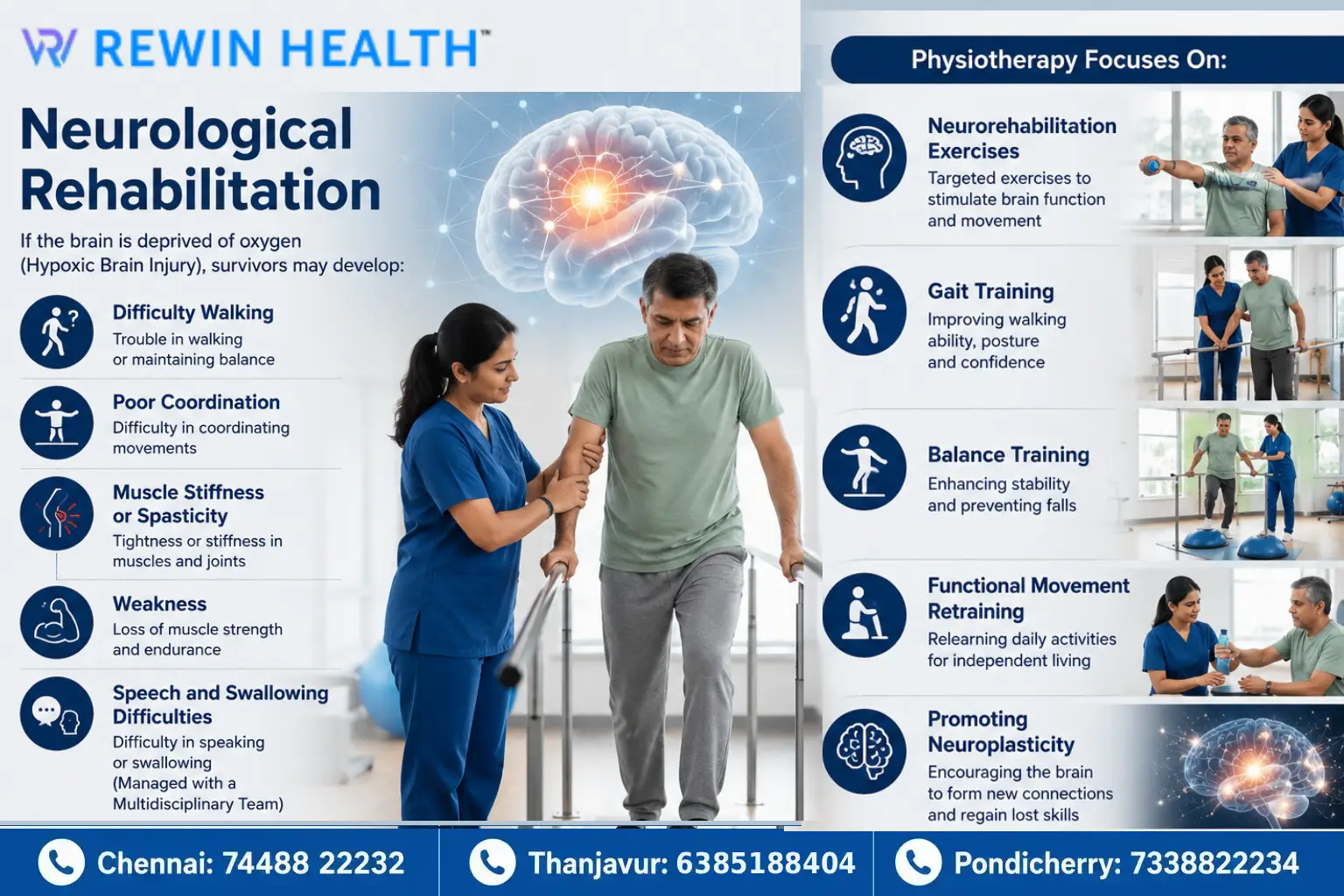
Neurological rehabilitation is a specialized form of physiotherapy designed to help individuals recover movement, balance, strength, and independence following neurological injuries.
Rather than simply strengthening muscles, neurological rehabilitation focuses on retraining the brain to communicate with the body more effectively.
Treatment plans are individualized based on each person’s condition and recovery goals.
Key rehabilitation approaches include:
Neurorehabilitation Exercises
Task-specific exercises stimulate the brain and encourage new neural pathways to develop through repetitive, meaningful movements.
Gait Training
Walking patterns are assessed and corrected to improve balance, posture, confidence, and walking efficiency.
Balance and Coordination Training
Therapists use targeted activities to improve stability, reduce the risk of falls, and enhance overall functional mobility.
Functional Movement Retraining
Patients practise everyday activities such as sitting, standing, reaching, gripping, climbing stairs, and transferring safely, helping them regain independence.
Hand Function Rehabilitation
For individuals with reduced upper-limb function, repetitive hand and arm exercises improve coordination, dexterity, and fine motor skills required for daily activities.
Why Early Rehabilitation Matters?
Recovery begins as soon as the individual is medically stable.
Research consistently shows that early neurological rehabilitation helps maximize recovery by taking advantage of the brain’s heightened ability to reorganize during the early stages after injury.
Delaying rehabilitation may lead to:
Increased muscle stiffness
Joint contractures
Reduced mobility
Greater dependence on caregivers
Slower functional recovery
Beginning therapy early allows patients to maintain mobility, reduce complications, and improve long-term outcomes.
Technology Is Transforming Neurological Rehabilitation
Modern rehabilitation combines clinical expertise with advanced technology to improve patient engagement and recovery.
Innovations such as:
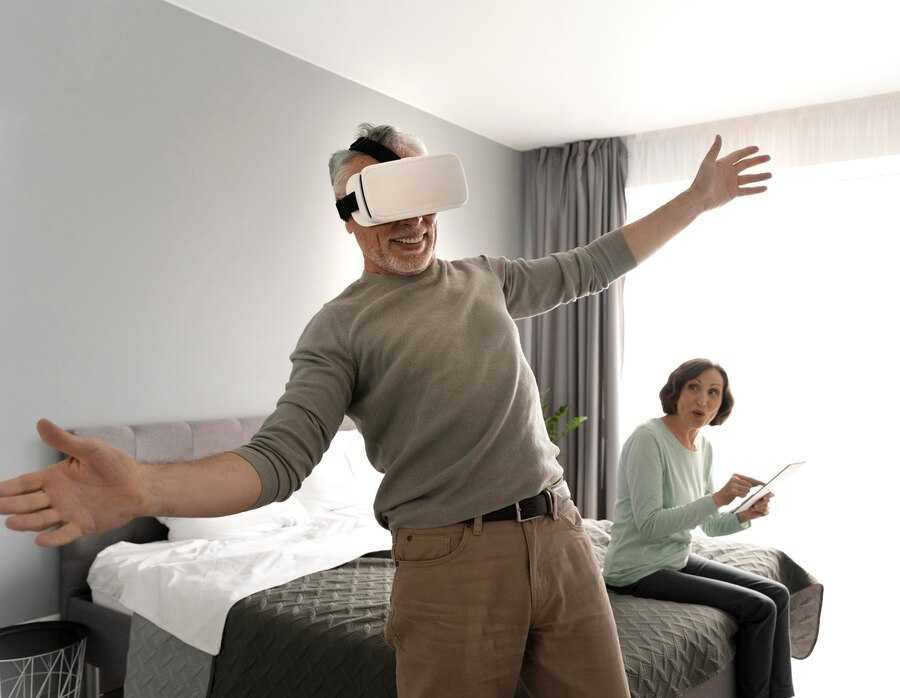
Virtual Reality (VR)-based rehabilitation
AI-assisted movement analysis
Interactive therapeutic gaming
Sensor-based movement tracking
Functional task training
allow therapists to deliver repetitive, motivating, and measurable rehabilitation sessions that encourage active participation while supporting neuroplasticity.
Technology complements—not replaces—the expertise of experienced physiotherapists by providing objective feedback and personalized training.
A Multidisciplinary Approach to Recovery
Recovery from oxygen-related brain injury often requires collaboration among multiple healthcare professionals.
Depending on the individual’s needs, the rehabilitation team may include:
Working together, these specialists help patients recover physical function, communication skills, cognition, and independence.
The Road to Recovery Starts with Rehabilitation
A brain injury caused by reduced oxygen can be life-changing, but it does not necessarily define the future. With timely medical care, structured neurological rehabilitation, and consistent practice, many individuals can regain movement, improve function, and return to meaningful daily activities.
Recovery is not about returning to where you were overnight—it is about helping the brain learn, adapt, and rebuild one step at a time.
At ReWin Health, our specialized Stroke and Neurological Rehabilitation programs combine evidence-based physiotherapy with AI-powered rehabilitation technology and immersive VR therapy to support neuroplasticity and functional recovery. Our multidisciplinary team focuses on personalized treatment plans that help patients improve mobility, restore independence, and enhance their quality of life.
If you or a loved one is recovering from a stroke, hypoxic brain injury, or another neurological condition, early rehabilitation can make a meaningful difference.
Book a consultation with ReWin Health and take the first step toward recovery.
📞 Chennai: 74488 22232
📞 Thanjavur: 63851 88404
📞 Pondicherry: 73388 22234