Rewin Health

Important Tips for Stroke Survivors: How to Prevent a Second Stroke

A stroke can be a life-changing event, affecting movement, speech, memory, independence, and overall quality of life. While surviving a stroke is a major milestone, many patients and families share a common concern: How can a second stroke be prevented?

The risk of experiencing another stroke is significantly higher for individuals who have already had one. According to stroke experts, the chances of a recurrent stroke are greatest during the first few months after the initial event, making ongoing medical care, lifestyle modifications, and rehabilitation critically important.

The good news is that many second strokes can be prevented through proactive management, healthy habits, and consistent follow-up care.

Understanding the Risk of a Second Stroke  

A second stroke occurs when blood flow to the brain is disrupted again after a previous stroke. Recurrent strokes are often more severe and may result in greater disability, longer recovery periods, and increased health complications.

Several factors can increase the likelihood of a second stroke, including:

  • High blood pressure

  • Diabetes

  • High cholesterol

  • Heart disease

  • Smoking

  • Obesity

  • Physical inactivity

  • Excessive alcohol consumption

  • Poor medication adherence

Identifying and managing these risk factors is the foundation of stroke prevention.

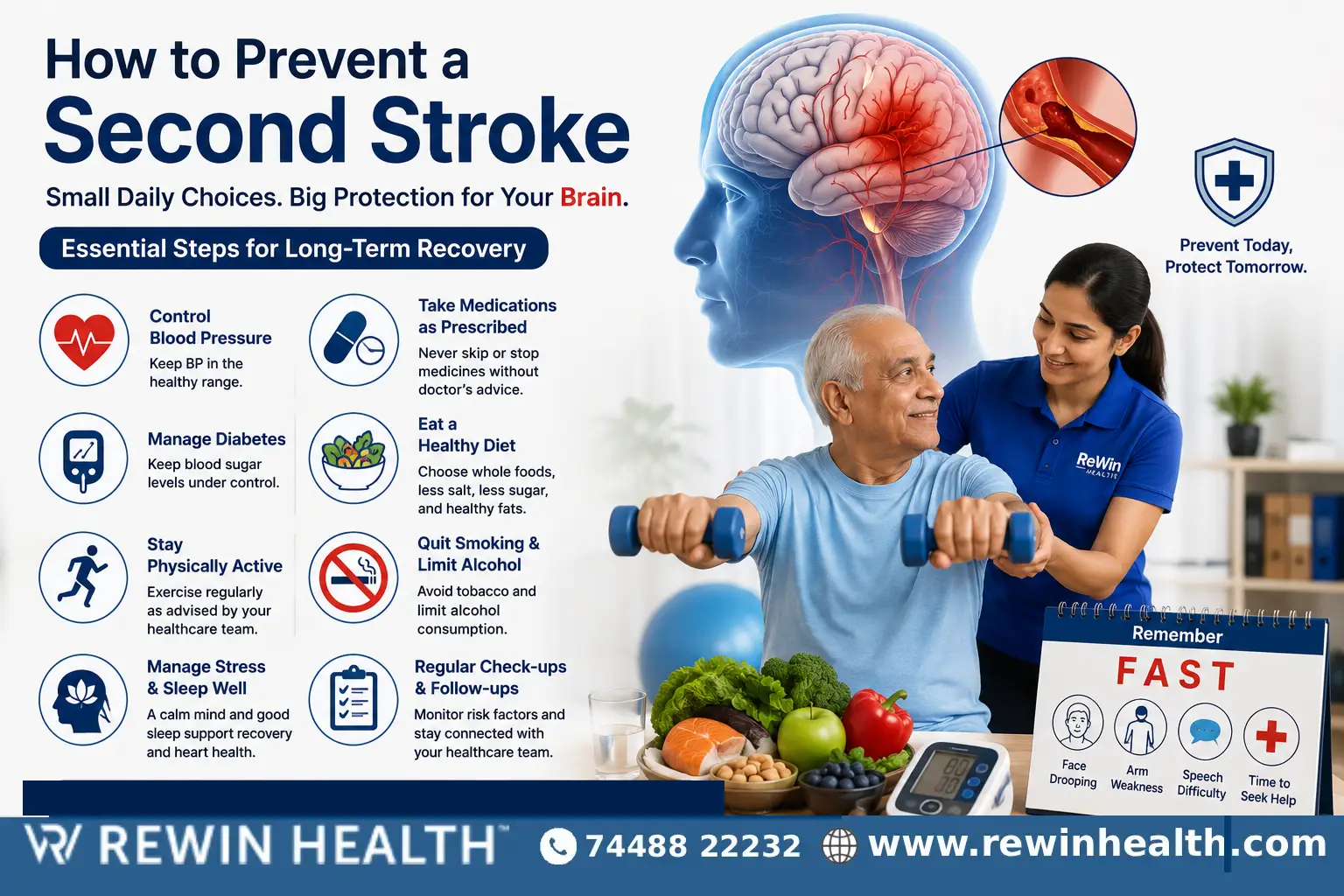
Control Blood Pressure Consistently  

High blood pressure is one of the leading causes of both first and recurrent strokes. Elevated blood pressure places excessive strain on blood vessels, increasing the risk of blockages or bleeding within the brain.

Stroke survivors should:

  • Monitor blood pressure regularly

  • Follow prescribed medications

  • Reduce salt intake

  • Maintain a healthy body weight

  • Engage in doctor-approved physical activity

Keeping blood pressure within the recommended range can significantly reduce the risk of another stroke.

Take Prescribed Medications as Directed  


Many stroke survivors are prescribed medications to reduce the risk of future events. These may include:

  • Antiplatelet medications

  • Blood thinners

  • Blood pressure medications

  • Cholesterol-lowering drugs

  • Diabetes medications

Skipping doses or discontinuing medications without medical advice can increase stroke risk. Patients should maintain regular communication with their healthcare team and follow treatment plans consistently.

Manage Diabetes Effectively  

Uncontrolled diabetes can damage blood vessels throughout the body, including those supplying the brain.

To reduce stroke risk:

  • Monitor blood sugar levels regularly

  • Follow dietary recommendations

  • Take medications as prescribed

  • Attend routine medical check-ups

  • Maintain a healthy weight

Proper diabetes management supports both overall health and long-term stroke prevention.

Adopt a Heart-Healthy Diet  

Nutrition plays a vital role in reducing the risk of recurrent stroke.

A balanced diet should include:

  • Fresh fruits and vegetables

  • Whole grains

  • Lean proteins

  • Healthy fats

  • Nuts and seeds

  • Adequate hydration

Patients should limit:

  • Processed foods

  • Excess sodium

  • Sugary beverages

  • Saturated fats

  • Trans fats

A heart-healthy diet helps improve blood pressure, cholesterol levels, and overall cardiovascular health.

Stay Physically Active  

Physical activity improves circulation, strengthens the cardiovascular system, and helps control several stroke risk factors.

Depending on individual recovery levels, stroke survivors may benefit from:

  • Walking programs

  • Balance exercises

  • Strength training

  • Flexibility exercises

  • Therapeutic rehabilitation exercises

Exercise programs should always be discussed with healthcare professionals to ensure safety and effectiveness.

Participate in Ongoing Stroke Rehabilitation  


Many people believe rehabilitation ends after leaving the hospital. In reality, continued rehabilitation can play an important role in reducing long-term complications and supporting overall health.

Advanced neuro rehabilitation programs focus on:

  • Improving mobility

  • Enhancing balance and coordination

  • Strengthening weakened muscles

  • Improving hand and arm function

  • Increasing independence in daily activities

Innovative rehabilitation approaches, including virtual reality-based therapy, gamified rehabilitation, and task-specific training, can help patients remain engaged in their recovery journey while maximizing functional outcomes.

Quit Smoking and Avoid Tobacco Products  

Smoking significantly increases the risk of stroke by damaging blood vessels, raising blood pressure, and promoting blood clot formation.

For stroke survivors, quitting smoking is one of the most impactful lifestyle changes for reducing future stroke risk.

Benefits of smoking cessation include:

  • Improved circulation

  • Better cardiovascular health

  • Reduced blood pressure

  • Lower risk of recurrent stroke

Healthcare providers can recommend smoking cessation programs and support resources when needed.

Avoid Alcohol Consumption  

Alcohol intake can contribute to high blood pressure, irregular heart rhythms, and other conditions linked to stroke.

Patients should stop alcohol and follow personalized recommendations based on their medical history.

Monitor Warning Signs and Seek Immediate Help  

Recognizing stroke symptoms quickly remains essential, even after recovery from a previous stroke.

Remember the acronym FAST:

F – Face Drooping
A – Arm Weakness
S – Speech Difficulty
T – Time to Seek Emergency Medical Care

Immediate treatment can minimize brain damage and improve recovery outcomes.

The Importance of Regular Follow-Up Care

Stroke prevention is an ongoing journey that extends well beyond the initial recovery phase. Regular follow-up appointments are essential for monitoring overall health, reducing the risk of recurrent stroke, and ensuring that recovery continues in the right direction.

Routine follow-up care allows healthcare professionals to:

  • Monitor stroke risk factors such as blood pressure, diabetes, and cholesterol
  • Review and adjust medications when necessary
  • Assess physical, cognitive, and functional recovery progress
  • Identify new concerns or complications at an early stage
  • Provide personalized preventive guidance and lifestyle recommendations

Patients who remain actively engaged in their healthcare and rehabilitation programs often experience better long-term outcomes, improved independence, and enhanced quality of life.

At ReWin Health, we emphasize the importance of continuous stroke recovery through comprehensive follow-up care, advanced neuro rehabilitation, and personalized treatment plans. Our multidisciplinary team works closely with stroke survivors to track progress, optimize recovery, and help reduce the risk of future strokes.

Final Thoughts

Preventing a second stroke requires a comprehensive approach that combines medical management, healthy lifestyle modifications, and ongoing rehabilitation. By controlling blood pressure, managing chronic health conditions, staying physically active, following prescribed treatments, and participating in structured rehabilitation programs, stroke survivors can significantly reduce their risk of recurrence.

Most importantly, stroke recovery does not end after hospital discharge. Long-term rehabilitation and preventive care play a vital role in helping individuals regain function, maintain independence, and improve overall quality of life.

At ReWin Health, we are committed to supporting stroke survivors throughout every stage of their recovery journey. Through advanced neuro rehabilitation technologies, evidence-based therapies, personalized care plans, and continuous clinical support, we help patients maximize recovery potential while promoting long-term brain health and stroke prevention.


  

About

Rewin Health Logo: Gamification in Physical Therapy

Making Rehabilitation affordable, Accessible & Patient Centric for 2 Billion People

Featured Blogs

Regain Movement.
Restore Independence.

Best Stroke & Neuro Rehabilitation Clinics in Chennai | Puducherry | Thanjavur

Advanced Stroke Recovery & Neurological Physiotherapy with:
✔️ AI-Powered Neuro Rehab
✔️ Home Care & Clinical Care
✔️ Expert Physiotherapists
✔️ Personalized Recovery Programs
Start your recovery journey with Rewin Health today.