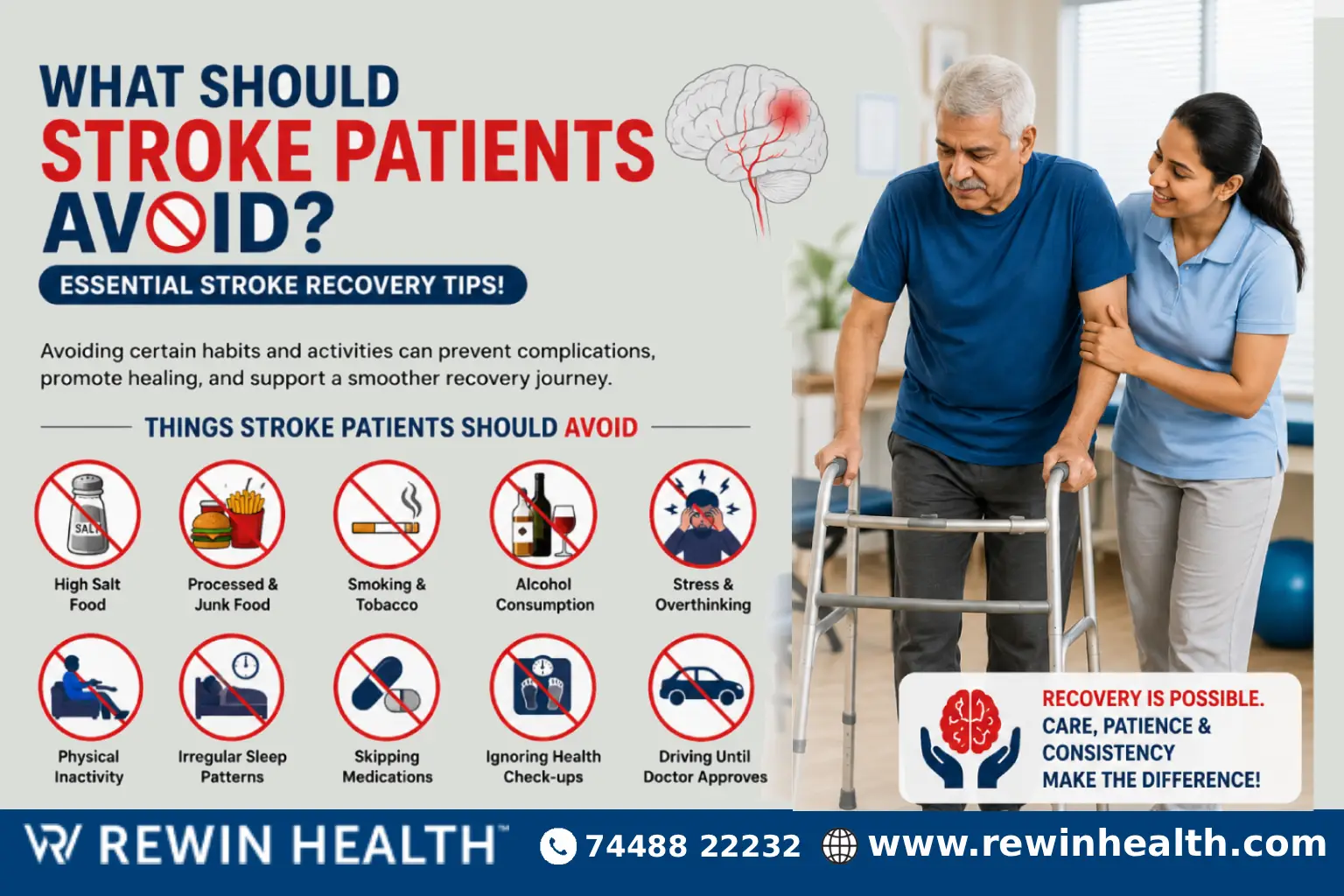
What Should Stroke Patients Avoid? Essential Stroke Recovery Tips!
A stroke can be a life-changing event, affecting a person’s movement, speech, balance, swallowing, memory, and overall independence. While rehabilitation plays a critical role in recovery, knowing what to avoid after a stroke is equally important. Certain habits, lifestyle choices, and activities can slow recovery, increase complications, or even raise the risk of another stroke.
Understanding what stroke patients should avoid can help survivors and caregivers create a safer environment and support long-term recovery.
Why Post-Stroke Care Matters?
A stroke occurs when blood flow to a part of the brain is interrupted, causing brain cells to become damaged or die. Depending on the area of the brain affected, stroke survivors may experience physical, cognitive, emotional, or communication challenges.
The recovery process varies from person to person. Factors such as the severity of the stroke, overall health, age, and access to rehabilitation services can influence outcomes. However, avoiding common mistakes during recovery can significantly improve the chances of regaining independence and quality of life.
1. Avoid Skipping Stroke Rehabilitation Sessions
One of the biggest mistakes stroke survivors can make is missing rehabilitation appointments or stopping therapy too early.
Rehabilitation helps the brain utilize neuroplasticity—the ability to create new neural pathways and relearn lost skills. Physiotherapy, occupational therapy, speech therapy, and advanced rehabilitation technologies are designed to improve movement, balance, coordination, and daily functioning.
Consistent rehabilitation often leads to better outcomes and improved independence.

2. Avoid Smoking and Tobacco Products
Smoking is a major risk factor for stroke and can significantly increase the likelihood of a recurrent stroke.
Tobacco use damages blood vessels, raises blood pressure, reduces oxygen supply, and contributes to the formation of blood clots. For stroke survivors, quitting smoking is one of the most important steps toward protecting long-term health.
3. Avoid Unhealthy Foods
Nutrition plays a vital role in stroke recovery.
Stroke patients should avoid excessive consumption of:
Processed foods
Foods high in sodium (salt)
Sugary beverages
Fried foods
Foods high in saturated and trans fats
A healthy diet rich in fruits, vegetables, whole grains, lean proteins, and healthy fats can help manage blood pressure, cholesterol levels, and overall cardiovascular health.
Proper nutrition also supports energy levels and rehabilitation progress.
4. Avoid Excessive Alcohol Consumption
Alcohol can interfere with medications, increase blood pressure, and negatively affect recovery.
While recommendations vary depending on the patient’s medical condition, excessive alcohol intake should generally be avoided after a stroke. Patients should consult their healthcare provider regarding safe consumption guidelines.
5. Avoid Physical Inactivity
Many stroke survivors become less active due to fear of falling or physical limitations. However, prolonged inactivity can lead to:
Muscle weakness
Joint stiffness
Poor circulation
Reduced endurance
Increased risk of secondary health complications
Safe and supervised exercise programs can help improve strength, mobility, balance, and cardiovascular health.
Physical activity should always be guided by rehabilitation professionals based on the patient’s condition and abilities.
6. Avoid Ignoring Swallowing Difficulties
Difficulty swallowing, known as dysphagia, is common after a stroke.
Ignoring swallowing problems can increase the risk of:
Choking
Aspiration pneumonia
Dehydration
Malnutrition
Patients experiencing coughing while eating, food sticking in the throat, or difficulty swallowing should seek professional assessment immediately.
Proper swallowing rehabilitation and dietary modifications can improve safety and nutritional intake.
7. Avoid Walking Without Proper Support
Balance and coordination problems are common after a stroke.
Attempting to walk independently before regaining adequate stability can increase the risk of falls and injuries. Falls can result in fractures, hospitalization, and delays in rehabilitation progress.
Using assistive devices and following therapist recommendations can improve safety during recovery
8. Avoid Missing Prescribed Medications
Stroke survivors are often prescribed medications to manage:
Blood pressure
Cholesterol
Blood clot prevention
Diabetes
Skipping medications or stopping them without medical advice can significantly increase the risk of another stroke.
Medication adherence is a critical part of stroke prevention and recovery.
9. Avoid Chronic Stress and Depression
Emotional health is often overlooked during stroke recovery.
Many survivors experience:
Anxiety
Depression
Frustration
Loss of confidence
Untreated mental health challenges can negatively affect motivation and rehabilitation participation.
Support from family members, counselors, rehabilitation professionals, and support groups can help patients maintain a positive outlook during recovery.
Common Challenges Stroke Patients Face
Stroke survivors often experience a combination of physical and cognitive challenges, including:
Weakness or paralysis on one side of the body
Difficulty walking
Poor balance and coordination
Hand function impairment
Speech and communication difficulties
Swallowing disorders
Memory problems
Reduced endurance
Difficulty performing daily activities
Early intervention and structured rehabilitation can help address these challenges and improve functional outcomes.
The Importance of Comprehensive Stroke Rehabilitation
Recovery from stroke is not just about surviving—it is about regaining independence, confidence, and quality of life.
A comprehensive rehabilitation program should focus on:
Improving mobility
Restoring balance
Enhancing hand function
Increasing strength
Improving daily living skills
Supporting cognitive recovery
Promoting long-term wellness
Advanced rehabilitation approaches can help patients achieve meaningful progress and maximize their recovery potential.
Recover Better with ReWin Health
At ReWin Health, we specialize in personalized stroke rehabilitation programs designed to help patients regain independence and improve their quality of life.
Our multidisciplinary rehabilitation team combines expert physiotherapy, occupational therapy, AI-powered rehabilitation, and advanced Virtual Reality (VR)-based therapy to create engaging and effective recovery experiences.
Whether your loved one is facing challenges with walking, balance, hand function, speech, or daily activities, our evidence-based rehabilitation programs are tailored to support every stage of recovery.
Why Choose ReWin Health?
✔ Personalized Stroke Rehabilitation Programs
✔ Advanced VR-Based Rehabilitation
✔ AI-Powered Recovery Solutions
✔ Expert Multidisciplinary Care Team
✔ Home-Based and Clinic-Based Rehabilitation Options
✔ Focus on Functional Independence and Quality of Life
If your loved one is recovering from a stroke, don’t wait to start rehabilitation.
ReWin Health is here to help patients move better, recover stronger, and live more independently.
ReWin Health – Inspiring Recovery. Meaningful Progress. Better Lives.
About
Making Rehabilitation affordable, Accessible & Patient Centric for 2 Billion People